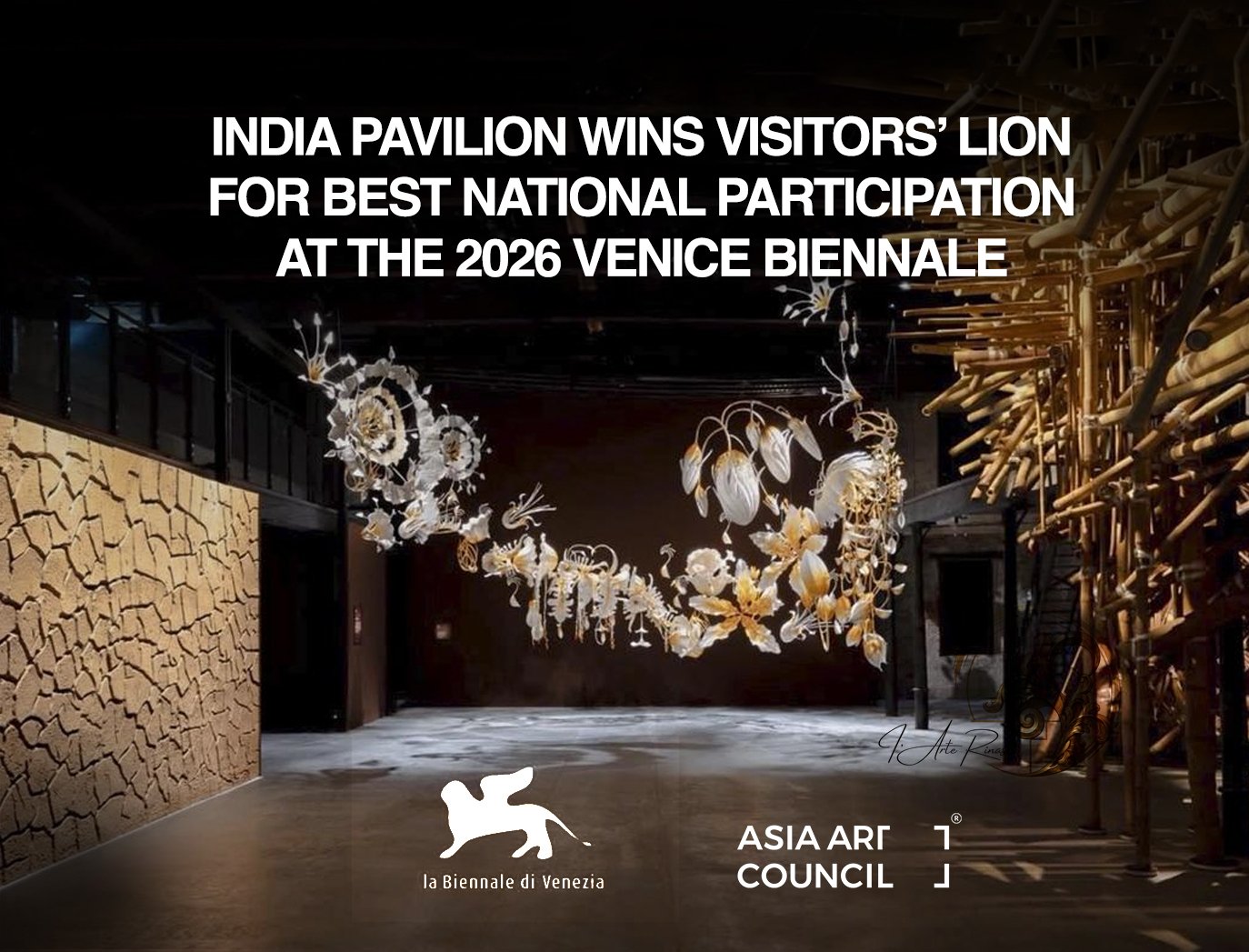
India Pavilion Wins Visitors’ Lion for Best National Participation at the 61st Venice Art Biennale
After a seven-year hiatus from the Venice Art Biennale, India has returned to the world’s premier international art stage with a historic triumph: the India Pavilion has been awarded the Visitors’ Lion for Best National Participation at the 61st International Art Exhibition (Biennale Arte 2026). Announced on November 25, 2026, following the conclusion of the public exhibition on November 22, the honour marks a watershed moment not only for contemporary Indian art, but also for how audience-led recognition and material storytelling resonate across borders.
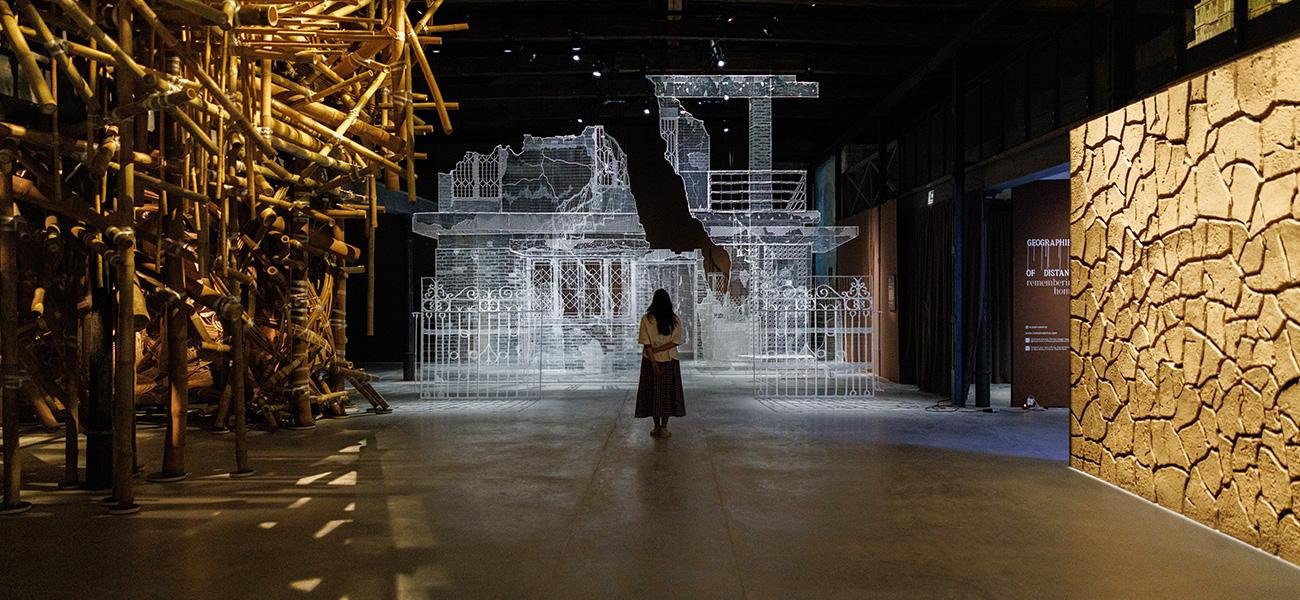
Titled Geographies of Distance: Remembering Home and staged within the historic Isolotto spaces of the Arsenale di Venezia, the pavilion was curated by Amin Jaffer and presented by the Ministry of Culture in collaboration with the Nita Mukesh Ambani Cultural Centre (NMACC) and Serendipity Arts. Rather than approaching “home” as a static map coordinate or a nostalgic postcard, the exhibition treated it as a complex, shifting terrain—one shaped by memory, migration, ritual, ecology, labour, and everyday materials.
A Curatorial Vision Anchored in “Home” and Materiality
Responding to Biennale Arte 2026’s overarching theme, In Minor Keys—conceived under the late curator Koyo Kouoh—the India Pavilion resisted grandiloquence in favour of intimacy, texture, and lived experience. In a global art landscape where monumental scale and high-volume spectacle often compete for attention, Geographies of Distance: Remembering Home asked visitors to slow down, look closely, and feel the quiet charge of material transformation.
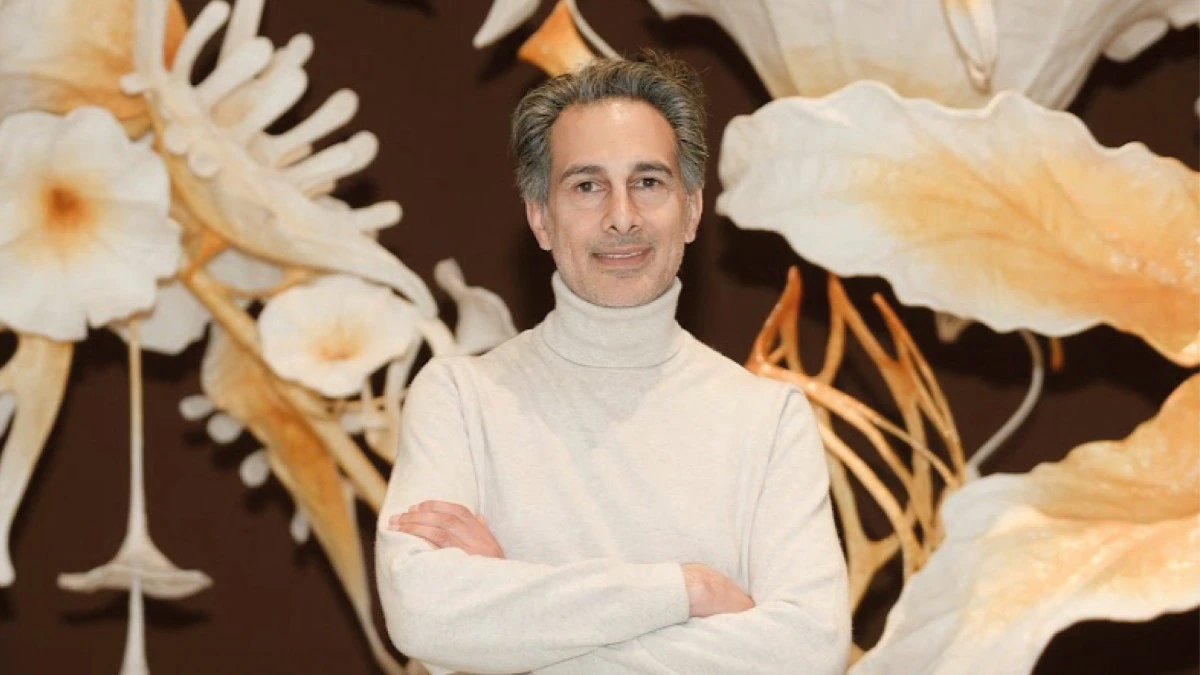
Curator Amin Jaffer brought together five distinct artistic voices whose practices move across regions, mediums, and emotional registers while staying tethered to place:
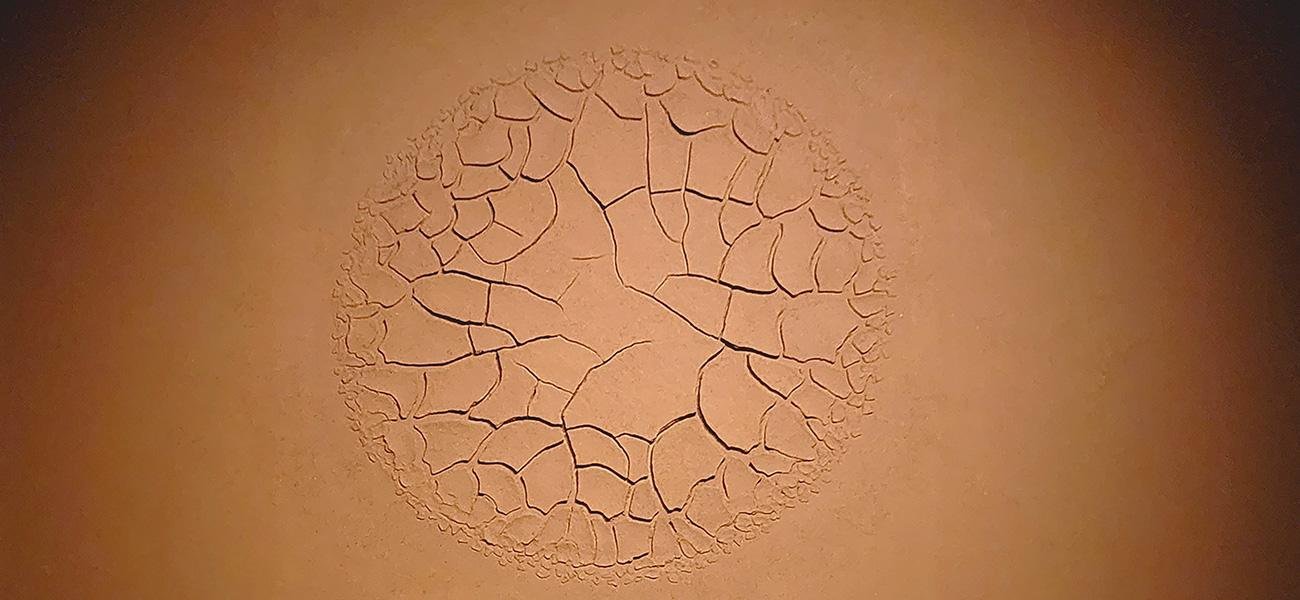
- Alwar Balasubramaniam explored the interplay of land, time, and physical transformation through works defined by natural fissures, fractures, and subtle shifts in form—inviting viewers to consider how landscapes and memories carry quiet marks of endurance.
- Ranjani Shettar contributed Under the Same Sky, a suspended sculptural installation rooted in botanical observation and organic growth, giving physical weight and poise to delicate, interconnected forms in space.
- Sumakshi Singh examined memory, domesticity, and belonging, translating personal histories and intimate spaces into a resonant architectural and emotional presence.
- Skarma Sonam Tashi presented Echoes of Home, working with papier-mâché to evoke the rugged architecture, cultural memory, and fragile ecology of Ladakh.
- Asim Waqif built Chaal, a large-scale bamboo installation that drew upon vernacular urban scaffolding to speak directly to shifting cities, everyday labour, adaptability, and renewal.
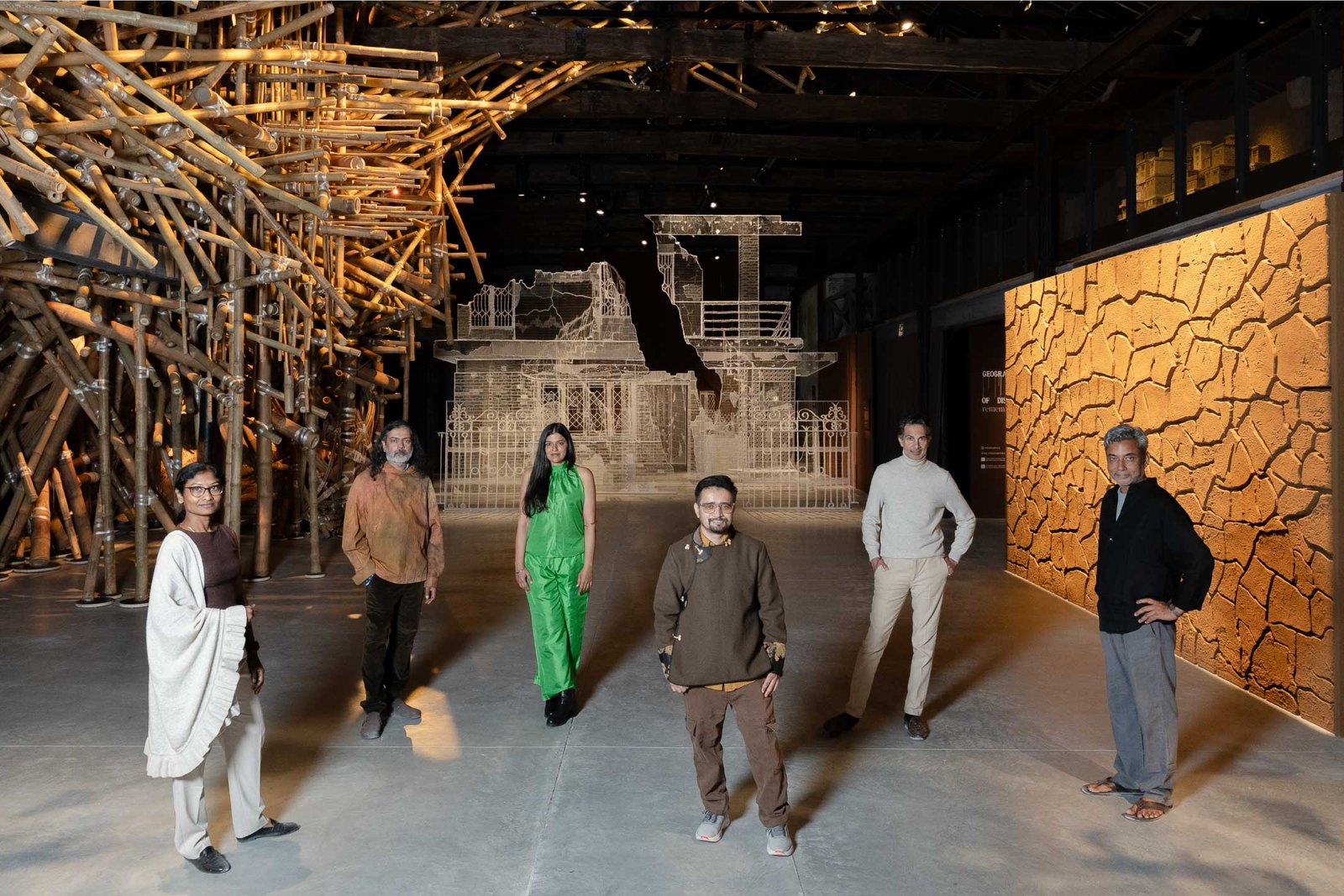
What gave the pavilion its coherence was not uniformity of style, but a shared seriousness around craft, environment, and human connection. Regional materials and vernacular references were not framed as static heritage pieces; instead, they operated as living languages capable of speaking to contemporary global realities.
Public Voting and a Pavilion That Drew the Crowds
The 2026 edition of the Venice Biennale unfolded amid an unusual shift in how top honours were decided: following the resignation of the traditional jury ahead of the opening, the Biennale introduced Visitors’ Lions, voted on by ticket-holding visitors who experienced the Giardini and Arsenale presentations firsthand. Alongside India’s recognition for Best National Participation, American artist Nick Cave received the Visitors’ Lion for Best Participant.
For the art community, a public vote carries a distinct meaning. It reflects the lived encounter between artwork and audience—the moments when a visitor pauses in front of a sculpture, traces a surface texture, or recognises a shared human emotion around distance, loss, and belonging. Across its run from May 9 to November 22, the India Pavilion welcomed roughly 4.5 lakh visitors, standing out among the most visited national pavilions of the entire Biennale. Those numbers suggest that depth, quietude, and tactile presence can command sustained public curiosity without relying on sensationalism.
National Pride and Wider Lessons for the Asian Art Ecosystem
News of the win quickly reverberated across India’s cultural and public life. Prime Minister Narendra Modi called it “a proud moment for India’s art and cultural world,“ highlighting how Indian artists are offering fresh perspectives shaped by diverse traditions and inspiring young people across the country to pursue creative expression. Union Culture Minister Gajendra Singh Shekhawat described the honour as a testament to India’s expanding global cultural footprint, while Culture Secretary Vivek Aggarwal pointed to how artistic practices rooted in civilisational and material heritage struck a chord with international audiences.
For artists, curators, museum leaders, patrons, and cultural writers across Asia, the pavilion’s reception offers rich food for thought. First, it underscores what becomes possible when public institutions and cultural foundations align over a multi-year horizon while giving curators and artists room to build a focused, thoughtful body of work. Second, it affirms that specificity—whether rooted in the high-altitude craft of Ladakh, urban bamboo scaffolding, botanical sculpture, or fractured forms—travels far when executed with conviction and clarity.
As the curtain falls on the 61st Venice Art Biennale, Geographies of Distance: Remembering Home leaves behind more than a trophy.
It marks a confident chapter in India’s international artistic dialogue—one where memory, craft, and the idea of home continue to echo well beyond Venice.
Leave a Reply